
Press
Explore our attorneys' interviews, legal commentary, and columns.
Reference Check on a Former Colleague With the Remark "There Are Embezzlement Suspicions"... Court Says "Not Guilty"

2026-07-10
Facing a defamation complaint, the suspect said "I had no intent to harm his social reputation"
Court: "A private conversation with a specific person... publicness not recognized"
A case has emerged in which an office worker who was brought to criminal trial on charges of damaging a former colleague's reputation by mentioning embezzlement suspicions during a reference check was acquitted.
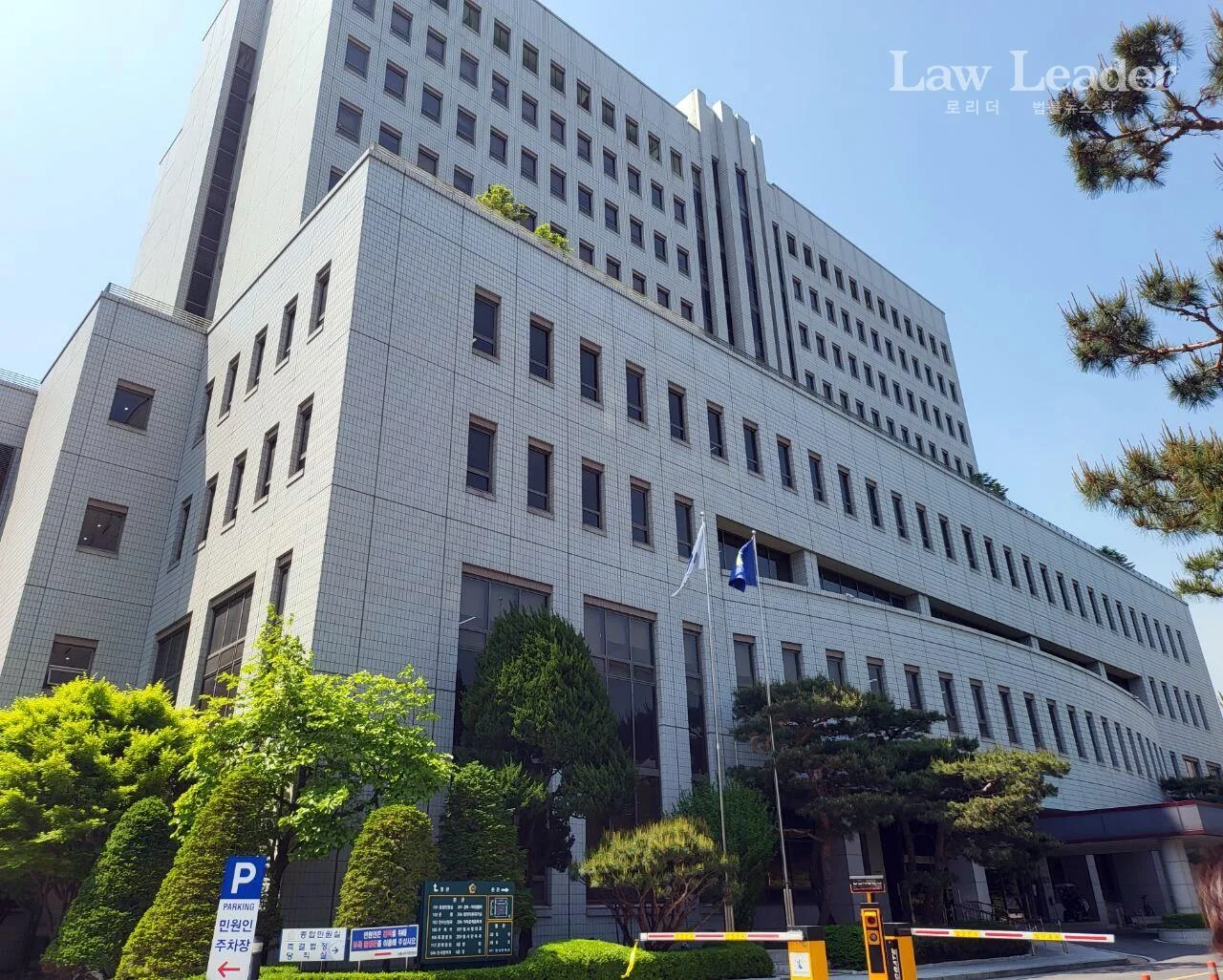
The Seoul Southern District Court acquitted Mr. A, a man in his 50s, who had been indicted on defamation charges, on the 10th of last month.
Mr. A was accused of damaging a former colleague's reputation by telling a third party about the colleague's embezzlement suspicions. Mr. A and Mr. B had been colleagues who worked at the same company in the past. In May 2024, when an acquaintance he was on friendly terms with requested a reference check from Mr. A while considering hiring Mr. B, Mr. A made a statement to the effect that "I understand that Mr. B misused a corporate card and the company is preparing a lawsuit." In response, Mr. B sued him, claiming that Mr. A spread false facts to a third party and damaged his reputation.
Mr. A fully denied the charges. He protested that the remark was merely a conversation arising in the course of an ordinary reference check in the industry, and that he had no intent to disparage Mr. B or harm his social evaluation. He also argued that he did not definitively state the fact of embezzlement but merely conveyed a matter requiring caution in the hiring process.
The court sided with Mr. A. The court judged, "The person who asked about the reputation over the phone had maintained a friendship with Mr. A for more than 20 years, and the relevant remark in this case is nothing more than a private phone call made during a reference check," and "It is difficult to see that there was a possibility of it being spread to an unspecified or large number of people."
It further ruled, "There is no fact that Mr. A used specific and definitive expressions such as when, where, by what act, and how much Mr. B embezzled, and the other party also appears to have taken it as merely a matter requiring confirmation," and "It can be seen as a remark intended to help the other party make a reasonable judgment."
Jeong Sang-hyeok, attorney of Daeryun LLC who defended defendant Mr. A, explained, "For defamation to be established, one must examine not only the content of the remark but also whether the content had the possibility of being spread to an unspecified or large number of people," and "In this case, we centrally argued that it was nothing more than a private conversation with a specific person, so publicness is not recognized."
Attorney Jeong Sang-hyeok of Daeryun LLC added, "We actively demonstrated that there was no possibility of the remark being spread to many people and that it was intended to help the other party's judgment, thereby obtaining an acquittal."
[Read the full article]
Reference Check on a Former Colleague With the Remark "There Are Embezzlement Suspicions"... Court Says "Not Guilty" (Go to link)
Previous
The Information and Communications Network Act That Catches 'Cyber Wreckers': Objectivity Is Vital to Prevent Suppression of 'Freedom of Expression'
Next
Four Years of the Serious Accidents Punishment Act, Slap-on-the-Wrist Punishment Now Over... What Changes Do the New Sentencing Guidelines Foreshadow?

All fields At a glance
1/0
Visit Consultation Booking
If you have legal concerns, consult a Litigation Involving Foreign Nationals specialist at a nearby office.

