


Press

2026-07-15
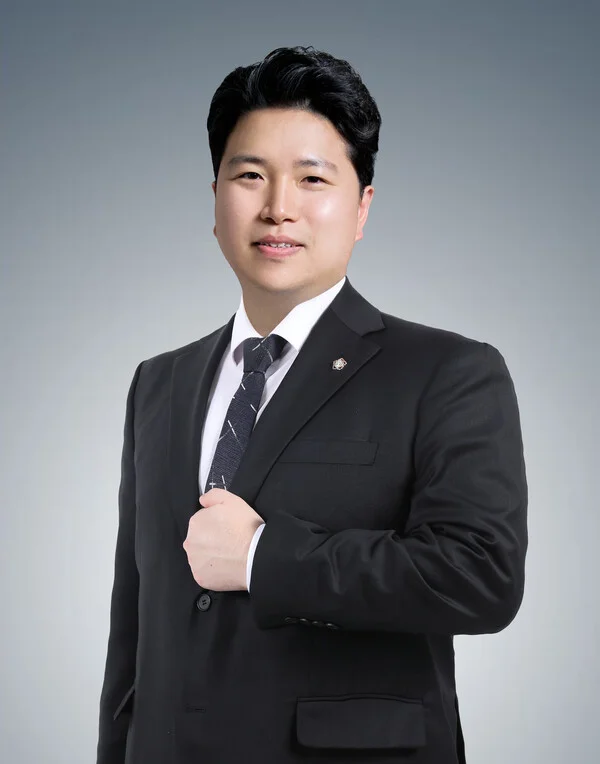
Attorney Kim Hyung-jin of the Law Firm Daeryun
After months of training and taking an early-morning train up to Seoul, the event was canceled—and this after receiving a text message that very morning saying, "It's proceeding as normal, so come to the venue." The "2026 Han River Cross Swim," scheduled to be held on the 20th of last month, fell into disarray due to the organizer's unilateral cancellation, and about 6,700 registered participants are seeking legal action. The organizer is asserting "no refunds due to a natural disaster," but whether this claim holds up legally is a separate matter.
Such unilateral cancellations occur frequently not only at particular swimming competitions but also at various events affected by weather conditions—outdoor music festivals, regional marathons, large concerts, and so on—so consumers need proactive knowledge of legal responses. Attorney Kim Hyung-jin of the law firm (LLC) Daeryun said, "The core of this incident is not a simple event cancellation, but that the organizer gathered participants to the venue and then notified them of the cancellation, even in a situation that was sufficiently predictable," adding, "There is a considerable possibility that the exemption clause under the Act on the Regulation of Terms and Conditions will be denied effect."
Q. The organizer claims "no refunds because it's a natural disaster"—does that hold up legally?
A. To put the conclusion first, it is difficult for that claim to be accepted as is in this matter. Article 7, Item 2 of the Act on the Regulation of Terms and Conditions expressly states that "a clause that, without reasonable grounds, limits the scope of the business operator's liability for damages or shifts to the customer a risk that the business operator should bear is void" (Act on the Regulation of Terms and Conditions, Article 7). Also, under Article 6, Paragraph 1 and Paragraph 2, Item 1 of the same Act, "a clause that is unfairly disadvantageous to the customer" is presumed to have lost fairness.
The core of this matter is that, despite the Korea Meteorological Administration's forecast and the Paldang Dam's discharge volume being sufficiently predictable in advance, the organizer sent "proceeding as normal" text messages until the early morning of that day, inducing people to travel. Even at ordinary outdoor performances or large festivals, if the organizer recklessly tried to push through the event despite weather deterioration being sufficiently foreseeable, and then canceled at the last minute, this is more likely to be attributed to the organizer's negligence (non-performance of obligations) rather than an unavoidable natural disaster.
Q. When an event is canceled, can I claim additional costs such as KTX and accommodation fees, beyond the participation fee (ticket price)?
A. A claim is possible, but whether it is recognized depends on the individual proof. When claiming damages on grounds of non-performance, one can seek compensation for "reliance interest"—expenses incurred in the belief that the contract would be performed. Of these, ordinarily incurred expenses are sought as ordinary damages, and special expenses exceeding this can be claimed only when the other party could have known of them (Suwon District Court Pyeongtaek Branch, judgment of September 14, 2023, Case No. 2022 Gadan 70863).
In particular, for events like regional festivals or large sporting competitions where participants gather from all over the country, the organizer can sufficiently foresee participants' expenditures on transportation and accommodation. If the organizer sent "come to the venue" text messages until the early morning of that day, KTX, bus fares, and accommodation costs are likely to be recognized as ordinary reliance-interest damages. However, specific proof of the fact of expenditure is essential.
Q. How should one respond if, rather than a cancellation, they notify a "postponement of the event schedule" and refuse refunds?
A. This too cannot justify refusing a refund by invoking unilateral terms and conditions. For a competition or concert held on a specific date, "that date" itself is a core condition of the contract. If the schedule was unilaterally changed due to the organizer's circumstances or foreseeable weather conditions, this constitutes a material breach and change of the contract's content, so the consumer has a legitimate right to refuse to accept the changed schedule and to demand cancellation of the contract and a full refund.
Q. What evidence should I secure right now, and how should I respond?
A. There are materials you must secure at this point. (1) Screenshots of the "proceeding as normal" text messages sent by the organizer and the cancellation (or postponement) notification texts, (2) records of participation fee (ticket) payment, (3) transportation reservation confirmations and accommodation receipts, and (4) media reports or notices regarding the cancellation of the competent local government's safety approval. Collecting such objective evidence is a key foundation that determines victory or defeat in legal disputes over not only the Han River Cross Swim incident but all large events thrown into disarray by the organizer's fault. Afterward, one should formally demand the return and damages through certified mail, and if the organizer does not comply, proceed to civil measures such as small-claims adjudication or class action.
[View Full Article]
Han River Cross Swim Falls Into Disarray... How to Get Consumer Compensation When a Large Event Is Unilaterally Canceled (Go to link)
All fields At a glance
1/0
Visit Consultation Booking
If you have legal concerns, consult a Litigation Involving Foreign Nationals specialist at a nearby office.

