


Press

2026-08-04
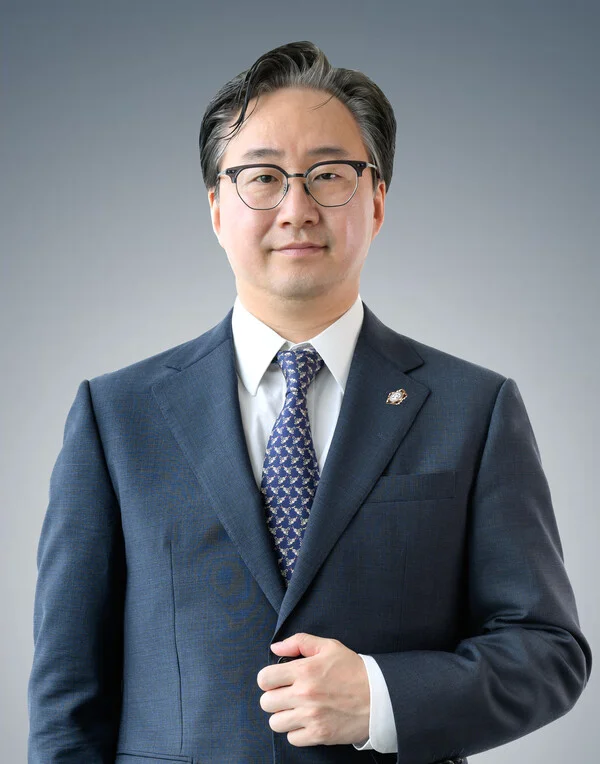
Daeryun LLC foreign attorney (U.S.) Son Dong-hoo
On September 1, the first in-person preliminary hearing over the class action surrounding Coupang's data leak incident will be held at the U.S. District Court for the Eastern District of New York. Under the practice of the New York federal court, it is the rule to go through a preliminary hearing before major motions, but in cases where the issues are simple, it may be omitted at the parties' request.
Nevertheless, the fact that the court did not accept both sides' request for omission and ordered direct attendance is interpreted as revealing an intention to directly manage the main issues from the early stage. Currently, this case is at an early stage in which, after the complaint was filed, the defendant has foreshadowed a dismissal of the suit, and through this hearing, it will lead into full-scale written battles over the motion to dismiss.
This hearing carries considerable strategic significance for both sides. While the defendant Coupang, Inc. is preparing a strategy to terminate the case itself at an early stage through a motion to dismiss, SJKP and Napoli Shkolnik, who represent the plaintiffs, intend to use this conference to confirm in advance the legal issues the court is focusing on and lay the groundwork leading to the subsequent discovery procedure.
The plaintiffs' side believes that if the defendant's motion to dismiss is rejected, discovery, the core procedure of U.S. civil litigation, will begin in earnest. Once this procedure begins, it can be specifically established, through internal documents and statements of relevant parties, when and how the defendant's management recognized and responded to the security risks.
Meanwhile, through a rebuttal letter submitted to the court on the 14th, SJKP responded to the roughly five legal issues foreshadowed by the defendant, opening the door to a full-scale battle. First, against the defendant's venue-related argument that the case should be handled in a Korean court, it countered with a federal appellate court precedent holding that as long as the lead plaintiff is a U.S. resident, the plaintiff's choice of forum must be duly respected.
Next, it also rebutted the defendant's argument that the plaintiffs suffered no substantive damage. In U.S. data leak litigation, precedents have accumulated recognizing as damage the very fact of being exposed to the realistic risk of identity theft or financial fraud through the leak of personal information, even if no actual monetary damage occurred. On this basis, it asserted the plaintiffs' standing and legal damage.
In addition, against the defense that the suit cannot proceed because the Korean corporation, the actual party, was omitted, it presented a U.S. Supreme Court precedent holding that filing a suit against only some of the joint tortfeasors is lawful. Finally, in exchange for agreeing to the defendant's request to substantially expand the page limit for the motion to dismiss brief, it demanded that the plaintiffs' answer brief also be guaranteed the same length, emphasizing procedural fairness.
As such, this litigation is regarded, beyond the responsibility of an individual company, as hinging on what standards a global platform company's level of personal information protection and data security governance will be tested against in U.S. judicial proceedings. Depending on the outcome of the motion to dismiss and whether discovery begins, the direction of the case is expected to change.
[Read Full Article]
Coupang Class Action Takes Its First Step Toward Uncovering the Substantive Truth (Go to Link)
Previous
[Legal Professional Interview] School Violence Specialist Attorney Cho Young-sam: "We Must Prevent the Judicialization of Education... Lowering the Criminal Responsibility Age Also Requires Caution"
Next
Man in His 30s Who Mistakenly Entered a Hotel Room in His Underwear... Prosecution Issues Non-Indictment for "No Intent"
All fields At a glance
1/0
Visit Consultation Booking
If you have legal concerns, consult a Litigation Involving Foreign Nationals specialist at a nearby office.

