
Legal Q&A
Q
 Views3,066
A particular clan member has been using, alone and for a long time, clan land that has been handed down from our ancestors. The other clan members have never used it or shared in its profits, and only recently have they sought to raise the issue. The registered title is held in the name of the clan, but in practice an individual is occupying it. In such a case, I would like to know whether we can get the clan land back and what legal procedures we must go through.
clan land
Answer
Published:
Author : Kuk Il KIM
Hello. This is an attorney experienced in inheritance cases at Daeryun Law LLC.
If a clan member is solely occupying land owned by the clan, then in principle the clan can claim its return against that clan member.
This is because, legally, clan property takes the form of collective ownership (chongyu, 總有), in which all clan members own it as a collective body.
Because this is not the private property of a particular individual, occupying and using it exclusively without a legitimate resolution of the clan's general meeting or permission to use it is an act without authority under the Civil Act, and legal problems arise.
First, if the registered title is held in the name of the clan, that land is presumed to be the collective property of the clan.
In this case, the clan can bring, against the occupant, a claim for removal of interference based on ownership, in the form of a claim for delivery of the land and a lawsuit for a provisional injunction prohibiting the transfer of possession.
In particular, if the land category is dry field or paddy, or a commercial building, and rental income or crop income has arisen, this income must be attributed to the benefit of the entire clan, so the clan can demand a settlement of the profits through a claim for the return of unjust enrichment.
However, where a person has occupied the clan land for a long time, there are cases in which the occupant asserts acquisitive prescription.
Therefore, matters such as when the possession began, whether there was the clan's implied consent, and whether there was a resolution of the clan's general meeting must be comprehensively reviewed.
An attorney experienced in inheritance cases can comprehensively analyze the clan's bylaws, whether there was a resolution of the general meeting, the registration relationships, and the circumstances of the possession, thereby clearly organizing the legal status of the clan land and systematically reviewing the possibility of a claim for return and a settlement of profits.
In addition, the attorney checks in advance whether the occupant will assert acquisitive prescription and prepares a response strategy, thereby assisting in resolving the clan land dispute in a more stable manner.


Daeryun's own AI·IT-driven litigation strategy

240+ key members

1,200+ client requests per month
* 2026년 1월 변호사협회 경유증표 발급 기준
In compliance with Article 4(1) of the Korean Bar Association Advertising Rules

Every consultation is reviewed by a specialist attorney first,
so consultations are conducted by appointment.
Phone
1800-7905
Available 24/7, 365 days a year


Online Consultation
Legal services
for our clients.

Chat
Get a quick consultation via chat.
Related Members
More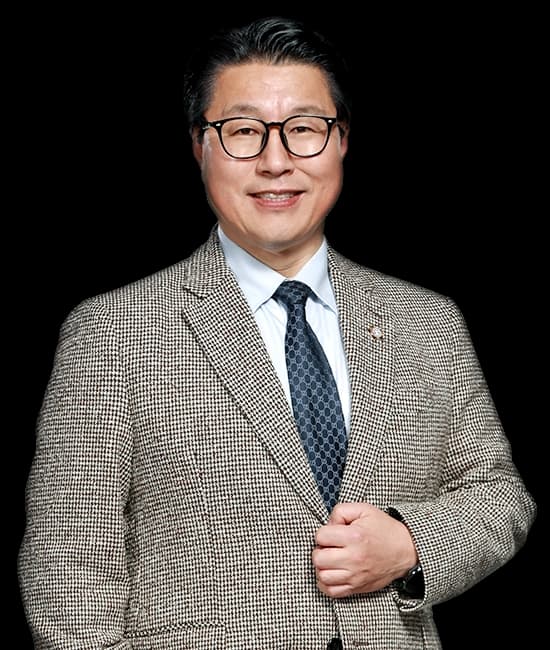
Kuk Il KIM
T. 070-5117-2950
Experience as Chief Prosecutor at the Seoul High Prosecutors' Office · Attorney Specializing in Criminal Law/Drugs/Intellectual Property
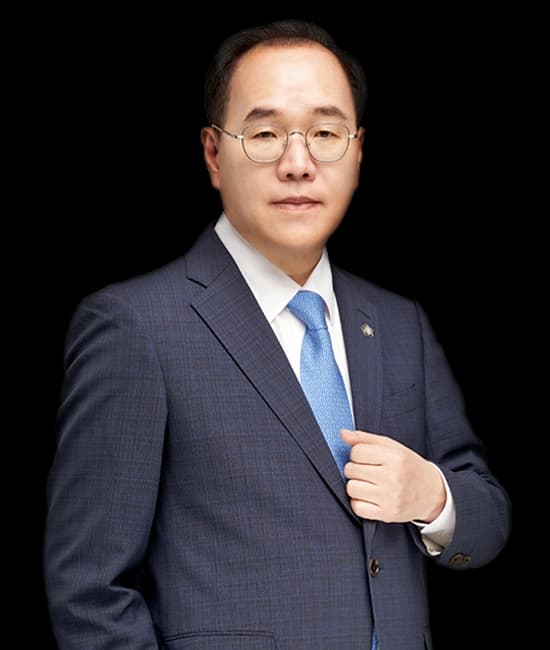
Naewon Kwak
T. 070-5117-2950
Career as Judge, Seoul Administrative Court, Seoul Central District Court · Attorney Specializing in Family Law/Labor Law/Administrative Law
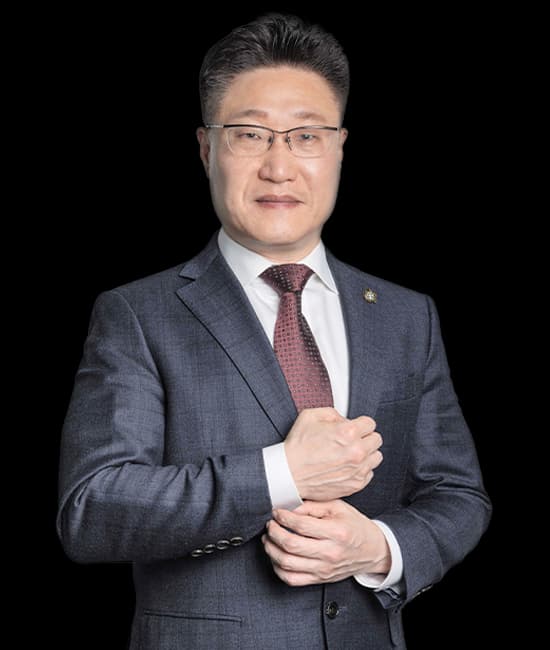
SungJoon PARK
T. 070-5221-3616
Former Judge at the Busan High Court [Criminal] · Attorney specializing in civil/corporate rehabilitation & bankruptcy/finance/accounting supervision law
Key Case Results
MoreRelated Practice Areas
MoreAll fields At a glance
1/0