Legal Q&A
Q
 Views4,683
My father passed away from cancer, and I am going through the inheritance procedures. While battling cancer, my father incurred a great deal of debt, so the liabilities far exceed the assets. I would like to proceed with renouncing the inherited debt.. I would be grateful if you could tell me how to do so.
renunciation of inherited debt
Answer
Published:
Author : Kuk Il KIM
Hello. This is an attorney experienced in inheritance cases at Daeryun Law LLC.
I imagine it must be very difficult for you to face the issue of inherited debt in a situation where your father passed away after a long battle with illness.
Nevertheless, since inheritance procedures, including renunciation, must be carried out accurately within the period set by law, in your current situation it appears most appropriate to consider a renunciation of inheritance or a qualified acceptance of inheritance.
In particular, as in the matter you raised, where the debts far exceed the assets, you can avoid unnecessary legal liability through the renunciation of inheritance procedure.
Renunciation of inheritance is a system that treats the status of heir as if it had never existed from the outset, and it is a method by which not only the property your father left but also all of the debts are not inherited.
To proceed with a renunciation of inheritance, you must first prepare basic documents such as the deceased's certified copy of resident registration, the removed family register, and the death certificate, as well as the family relationship certificates and basic certificates of all the heirs.
You then submit an application for adjudication of renunciation of inheritance to the family court that has jurisdiction over the deceased's last address, and the court, through a review of the documents, confirms matters such as whether the intent to renounce is genuine and whether the statutory period has been observed.
If there are no particular problems, the court will issue an adjudication of renunciation of inheritance.
However, even if you renounce the inheritance, if the heir arbitrarily disposes of the deceased's property or repays even a portion of the debts, this may be deemed a 'simple acceptance', and the renunciation may not be recognized.
Therefore, after the death, you must absolutely refrain from any act of disposal or repayment regarding the deceased's property and debts.
In addition, when there are multiple heirs, all of the debts may pass to a person who has not renounced the inheritance, so it is safer to consult together with the other heirs, such as siblings.
If the scale of the debt is unclear, making it difficult to determine which procedure, renunciation of inheritance or qualified acceptance, is appropriate, it is necessary to first ascertain the exact situation by inquiring into the status of the debts from financial institutions, hospitals, credit card companies, and the tax office.
In inheritance matters, the legal requirements, such as the filing deadline, the document requirements, and the effect after acceptance, are very strict, and there are quite a few cases in which a simple acceptance results by mistake.
Therefore, in a situation with a large amount of debt as in your case, the safest approach is to specifically determine the direction of a renunciation of inheritance or a qualified acceptance after a review by an expert.


Daeryun's own AI·IT-driven litigation strategy

240+ key members

1,200+ client requests per month
* 2026년 1월 변호사협회 경유증표 발급 기준
In compliance with Article 4(1) of the Korean Bar Association Advertising Rules

Every consultation is reviewed by a specialist attorney first,
so consultations are conducted by appointment.
Phone
1800-7905
Available 24/7, 365 days a year


Online Consultation
Legal services
for our clients.

Chat
Get a quick consultation via chat.
Related Members
More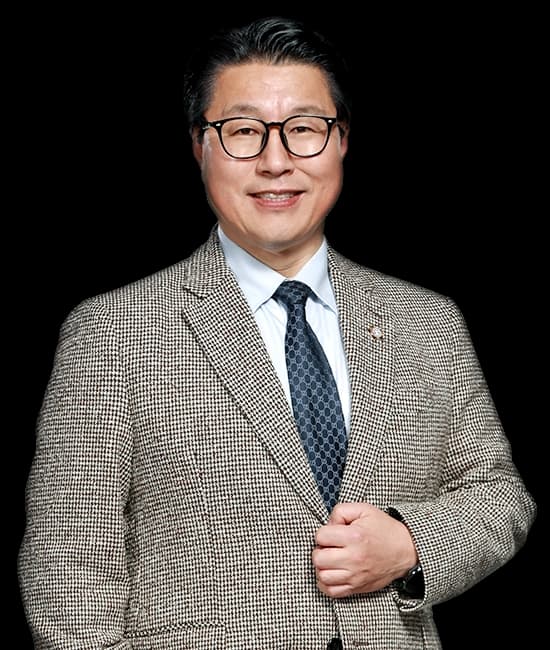
Kuk Il KIM
T. 070-5117-2950
Experience as Chief Prosecutor at the Seoul High Prosecutors' Office · Attorney Specializing in Criminal Law/Drugs/Intellectual Property
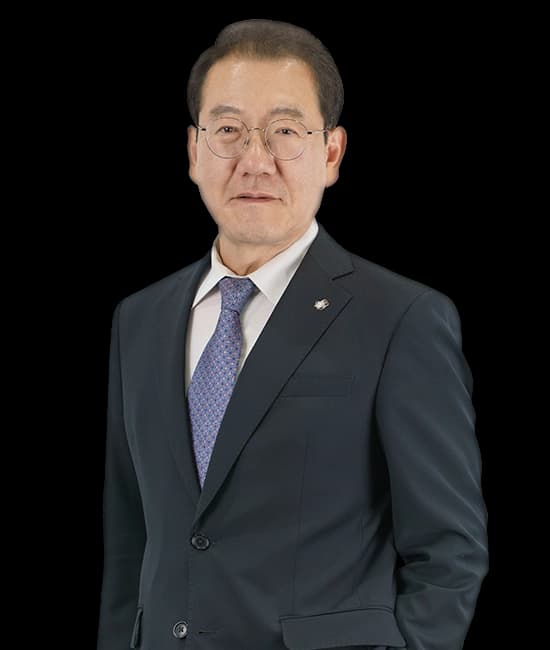
IlSoo SHIN
T. 070-5117-2950
Former Presiding Judge at Seoul Central District Court· Attorney Specializing in Civil/Family/Divorce/Inheritance Law

DouYeong HAN
T. 070-7510-3368
Extensive experience in divorce and inheritance/family cases · Attorney Specializing in Divorce/Inheritance/Family Law
Key Case Results
MoreRelated Practice Areas
MoreAll fields At a glance
1/0