Are idols also ‘workers’? Questions left by Hani’s testimony [All That Check]
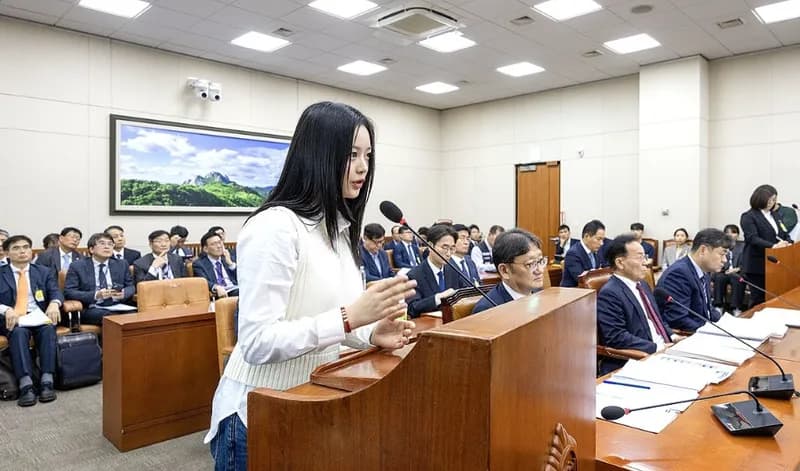
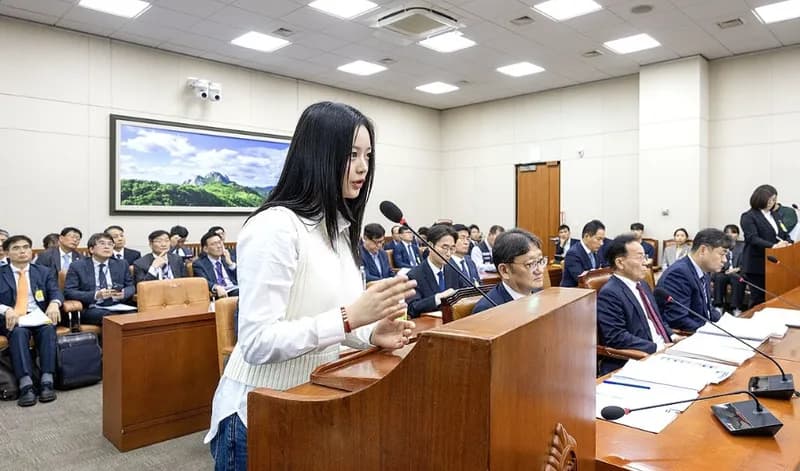
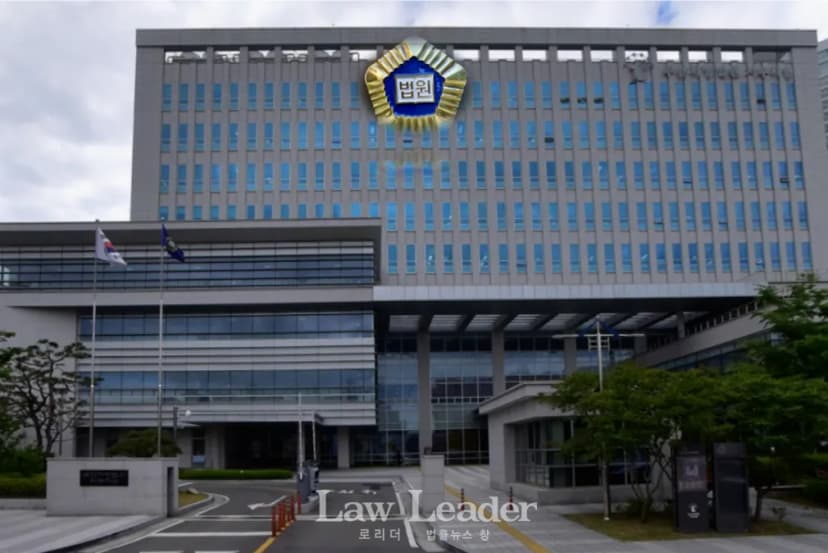
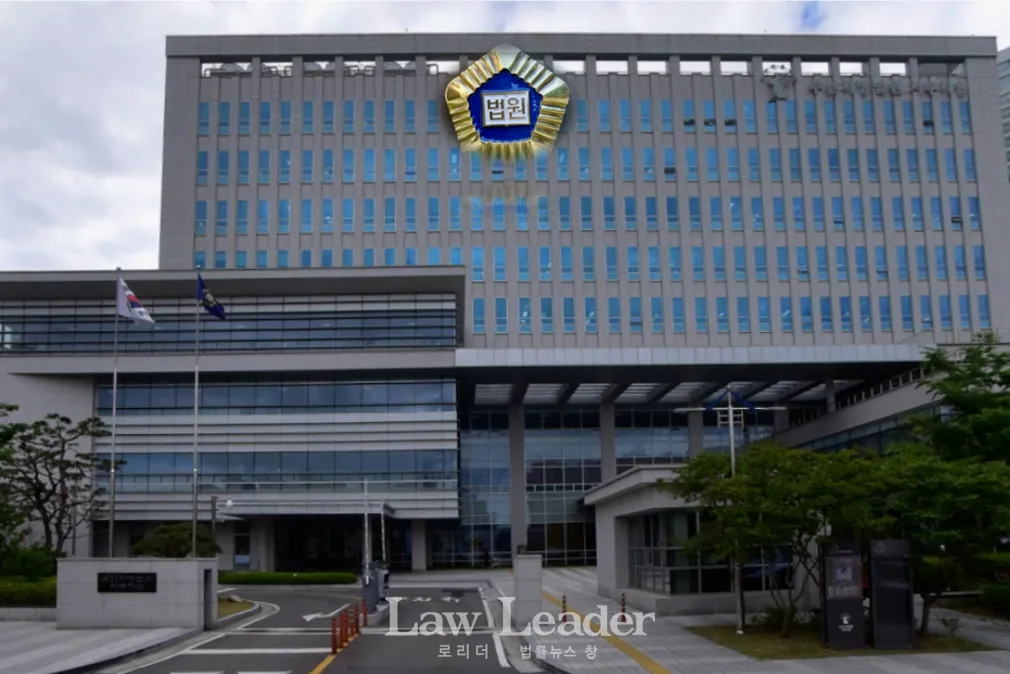
The Ministry of Labor and the Ministry of Employment and Labor judged that it is difficult to regard celebrities as employees in the past. Celebrity exclusive contracts are judged to be delegation contracts under civil law, so there must be 'subordination' and 'compulsion' to be recognized as workers. Hani, a member of the girl group New Jeans, appeared at the National Assembly Audit Hall on the 15th to testify about the issue of bullying in the workplace, saying that she was ostracized within the hive of an entertainment agency. On this day, Hani said that this was not the first time something like this had happened, and said in tears that this would not have happened if they respected each other as human beings. It was leaked. New Jeans fans reported Adore and Hive officials to the police, and it is known that about 100 complaints were also filed with the Ministry of Employment and Labor. Now the ball has passed to the Ministry of Labor. The issue is whether the employee status of New Jeans members who signed individual contracts with the agency is recognized. Netizens responded by saying, “Are freelancers and self-employed workers employees? Make all non-employed self-employed employees employees,” “Are idols employees? They belong to an agency, but they don’t receive a set salary,” “Where are the workers who earn several billion won?”, “Shouldn’t all office workers in the country with a monthly salary of less than 300 be subject to a national inspection?”, “Are idols wage earners? Business income earners?” and that celebrities with different salary levels are not included as workers. On the other hand, there were also reactions such as “Workers outside of the workforce are also people. We need to protect them,” “We are all human beings, so it’s hard to argue whether they are workers or not,” “It is true that whether or not they are workers is based on how much money they make, and the purpose of this national inspection is to guarantee the human rights of special workers, including celebrities,” and “There must have been a lot of unfairness that many young trainees and idols were unable to speak about in their blind spots.” Looking at past government judgments, It was difficult to classify celebrities who sign exclusive contracts as workers under the Labor Standards Act. A ‘worker’ under the Labor Standards Act is defined as “a person who is subordinate to an employer and provides labor for wages.” Most celebrities work under an exclusive contract with an agency, and the agency manages the celebrity’s activities and shares profits. However, since the agency is entrusted with the celebrity's work and performs it faithfully, such a contract is generally judged to be a delegation contract or contract based on a delegation contract under civil law and is not considered an employment contract. What conditions must a celebrity meet in order to be recognized as an employee? Attorney Choi Hyun-deok of the Daeryun Law Firm explained, “They must be in an employment relationship where they are subordinate to their agency and receive unilateral instructions, commands, and supervision.” He continued, “If a celebrity does not have independent decision-making authority in their activities and is required to follow the agency’s unilateral instructions (defined tasks), and if they receive specific and direct command and supervision in the course of their work, several conditions must be met.” However, he explained that most of the exclusive contracts of celebrities are atypical contracts that are based on delegation contracts and are a mixture of employment contracts and subcontracts, so it would be difficult for celebrities to be recognized as pure workers who are completely subordinate to the management company. As a result, some point out that there is a need to improve the labor rights of idols, who are in a blind spot. Workplace Gapjil 119 said that since idols are young and have a subordinate relationship with their agency, they are even more considered workers under the Labor Standards Act. Lawyer Choi also said that there is still a lack of a legal system that can clarify the nature of celebrity exclusive contracts, and suggested that there should be legislation that takes into account the special characteristics of celebrities. How are celebrities classified overseas? In the US and UK, celebrities are generally not considered workers. In the United States, people are classified as ‘independent contractors’ and must pay their own income and social security taxes, and often do not receive welfare benefits provided by their employers. In the UK, celebrities are mainly classified as ‘self-employed’. They contract to participate in plays, broadcasts, films, etc., but perform the work freely rather than receiving direct instructions from their employer. [View full article] - Are idols also ‘workers’? Questions left by Hani’s testimony [All That Check] (Shortcut)