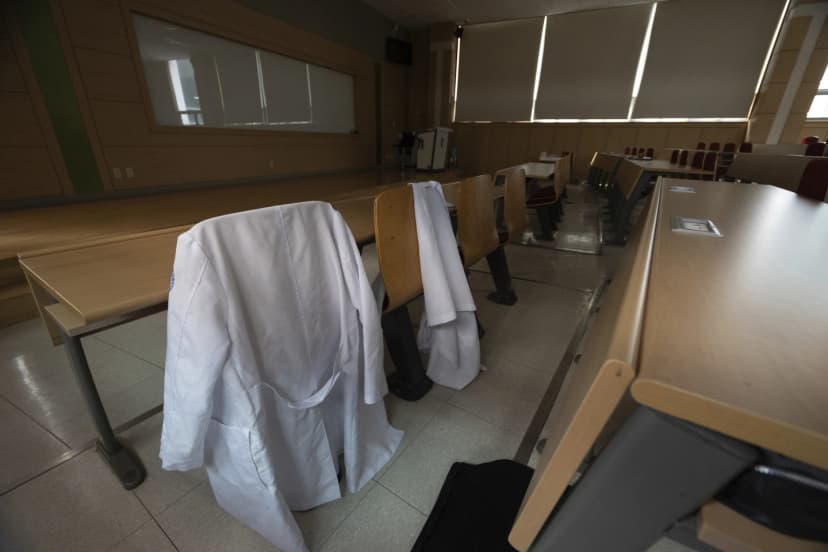
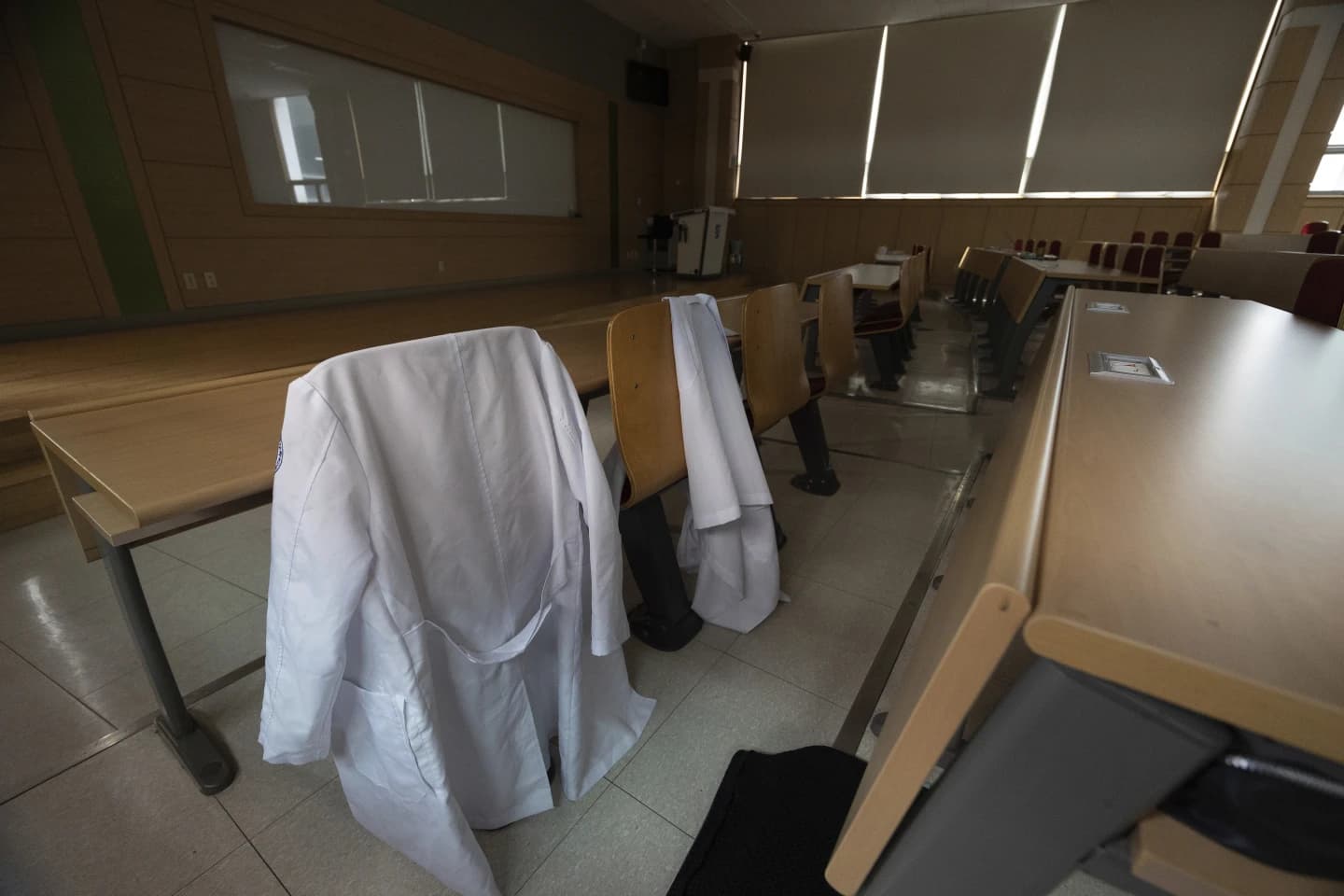
What’s next for South Korean doctors who face license suspensions because of walkouts
SEOUL, South Korea (AP) — South Korea’s government is pressing ahead with its vow to suspend the licenses of thousands of junior doctors who ignore its repeated demands to end their collective walkouts. Nearly 9,000 out of the country’s 13,000 medical interns and residents have been refusing to work for about two weeks to protest a government plan to increase South Korea’s medical school admission quota by about two thirds. Here are some questions and answers about what’s next in the strike: HOW DOES THE SUSPENSION WORK?After their walkouts caused hundreds of surgeries and other treatments to be canceled, the government ordered the junior doctors to return to work by Feb. 29 or face license suspensions and possible legal charges. Most of them missed the deadline. On Monday, the government dispatched officials to about 50 hospitals to formally confirm the absence of striking doctors, before informing them of their license suspensions and giving them a chance to respond. Vice Health Minister Park Min-soo said the doctors face a minimum three-month suspension. Suspension records will leave them facing more than one year of delay in getting licenses for specialists and further barriers in landing jobs, Park said. Park suggested it would take weeks to complete procedures for suspending licenses. Once it’s done, some striking doctors will likely respond with legal action. Hyeondeok Choi, partner at the law firm داريون that specializes in medical law, said it would be “impossible” for the government to suspend the licenses of all the 9,000 doctors. He said the government would likely target less than 100 of the leading strikers. The Korea Medical Association, which represents 140,000 doctors in South Korea, said it supports the junior doctors’ walkouts. Joo Sooho, a spokesperson at the KMA’s emergency committee, said Monday that senior doctors are considering economic support for the strikers if their licenses are suspended. WHAT OTHER STEPS THE STRIKERS CAN FACE?South Korea’s medical law says doctors who refuse the government’s back-to-work order can face up to three years in prison or a 30 million won ($22,480) fine, as well as up to one year of license suspensions. Those sent to prison or given even suspended prison sentences automatically lose their licenses. The Health Ministry can file complaints with police, who then investigate and hand the case to prosecutors for a possible indictment, according to Choi, the law firm partner. Joo said the Korea Medical Association will provide lawyers to the striking doctors if they are summoned by police or prosecutors. South Korean police said they are investigating five senior members of the Korea Medical Association, after the Health Ministry filed complaints against them for allegedly inciting and abetting the junior doctors’ walkouts. WHAT DO PEOPLE SAY?The doctors’ strikes have so far failed to generate public support, with a survey showing about 80% backing the government’s school enrollment plan. The government says South Korea urgently needs more doctors to deal with a rapidly aging population. Many doctors say a too-steep increase in the number of students would eventually result in undermining medical service. Some critics say doctors, one of the highest-paid professions in South Korea, worry about losing their income. Lee Yeonha, 40, said the striking doctors were “too selfish” and a three-month license suspension is too little. “I wish the government would take more powerful legal action to get the doctors to fear that they may not be able to work as doctors in this country,” Lee said. Another Seoul resident, Sunny Shin, supports the arguments by doctors that the government must first resolve fundamental problems such as a lack of medical liability protection and a shortage of physicians in key yet low-paying specialties such as pediatrics and emergency departments. “As long as the crucial sector doctors are likely to be embroiled in lawsuits and still not highly paid, I cannot blame them for protesting against the government labeling them as privileged people neglecting their duties as doctors,” Shin said. [الترجمة] سيول، كوريا الجنوبية (AP) — تمضي الحكومة الكورية الجنوبية قُدُمًا في تنفيذ تعهّدها بتعليق تراخيص آلاف الأطباء المبتدئين الذين يتجاهلون مطالباتها المتكرّرة بإنهاء إضرابهم الجماعي. فقد امتنع نحو 9,000 من أصل 13,000 طبيب متدرّب ومقيم في البلاد عن العمل لمدة أسبوعين تقريبًا احتجاجًا على خطة حكومية ترمي إلى زيادة حصة القبول في كليات الطب في كوريا الجنوبية بنحو الثلثين. وفيما يلي بعض الأسئلة والأجوبة حول الخطوة التالية في الإضراب. كيف يعمل التعليق؟بعد أن تسبّب الإضراب في إلغاء مئات العمليات الجراحية وغيرها من العلاجات، أمرت الحكومة الأطباء المبتدئين بالعودة إلى عملهم بحلول 29 فبراير، وإلا فإنهم سيتعرّضون لتعليق التراخيص واحتمال توجيه اتهامات قانونية إليهم. وقد تجاوز معظمهم الموعد النهائي. وفي يوم الاثنين، أوفدت الحكومة موظفين رسميين إلى نحو 50 مستشفى للتأكّد رسميًا من غياب الأطباء المضربين، قبل إبلاغهم بتعليق تراخيصهم ومنحهم فرصة للردّ. وقال نائب وزير الصحة والرعاية بارك مين-سو إن الأطباء سيواجهون تعليقًا لتراخيصهم لمدة ثلاثة أشهر كحدّ أدنى. وأضاف بارك أن سجلات التعليق ستؤدّي إلى تأخّر حصولهم على تراخيص الاختصاص لأكثر من عام، فضلًا عن مزيد من العوائق في الحصول على وظائف. وأشار بارك إلى أن إتمام إجراءات تعليق التراخيص سيستغرق أسابيع. وبمجرّد اكتمالها، يُرجَّح أن يردّ بعض الأطباء المضربين باللجوء إلى إجراءات قانونية. وقال تشوي هيون-ديوك، الشريك في شركة المحاماة داريون المتخصّصة في القانون الطبي، إنه سيكون من «المستحيل» على الحكومة تعليق تراخيص الأطباء الـ9000 جميعًا. وأضاف أن الحكومة ستستهدف على الأرجح أقلّ من 100 من قادة المضربين. وأعلنت الجمعية الطبية الكورية، التي تمثّل 140,000 طبيب في كوريا الجنوبية، أنها تدعم إضراب الأطباء المبتدئين. وقال جو سو-هو، المتحدّث باسم لجنة الطوارئ في الجمعية الطبية الكورية، يوم الاثنين إن كبار الأطباء يدرسون تقديم دعم اقتصادي للمضربين في حال تعليق تراخيصهم. ما الخطوات الأخرى التي قد يواجهها المضربون؟ينصّ القانون الطبي الكوري الجنوبي على أن الأطباء الذين يرفضون أمر الحكومة بالعودة إلى العمل قد يواجهون عقوبة السجن حتى ثلاث سنوات أو غرامة قدرها 30 مليون وون (22,480 دولارًا)، إضافةً إلى تعليق التراخيص لمدة تصل إلى عام واحد. أما الذين يُحكَم عليهم بالسجن أو حتى بالسجن مع وقف التنفيذ، فيفقدون تراخيصهم تلقائيًا. ووفقًا لتشوي، الشريك في شركة المحاماة، يمكن لوزارة الصحة أن تقدّم بلاغات إلى الشرطة، التي تقوم بدورها بالتحقيق وإحالة القضية إلى النيابة العامة لاحتمال توجيه الاتهام. وقال جو إن الجمعية الطبية الكورية ستوفّر محامين للأطباء المضربين في حال استدعائهم من قِبل الشرطة أو النيابة العامة. وأعلنت الشرطة الكورية الجنوبية أنها تحقّق مع خمسة من كبار أعضاء الجمعية الطبية الكورية، بعد أن قدّمت وزارة الصحة بلاغات ضدّهم بزعم التحريض على إضراب الأطباء المبتدئين والمساعدة فيه. ماذا يقول الناس؟لم تنجح إضرابات الأطباء حتى الآن في الحصول على دعم الرأي العام، إذ أظهر استطلاع للرأي أن نحو 80٪ يؤيّدون خطة الحكومة لزيادة أعداد الملتحقين بالكليات. وتقول الحكومة إن كوريا الجنوبية بحاجة ماسّة إلى مزيد من الأطباء لمواجهة الشيخوخة السريعة للسكان. ويرى كثير من الأطباء أن الزيادة المفرطة في عدد الطلاب ستؤدّي في نهاية المطاف إلى تقويض الخدمة الطبية. ويقول بعض المنتقدين إن الأطباء، وهم من بين أصحاب أعلى الرواتب في كوريا الجنوبية، قلقون من فقدان دخلهم. وقالت لي يون-ها (40 عامًا) إن الأطباء المضربين «أنانيون للغاية» وإن تعليق الترخيص لمدة ثلاثة أشهر قليل جدًا. وأضافت لي: «أتمنّى لو أن الحكومة تتّخذ إجراءات قانونية أكثر صرامة تجعل الأطباء يخشون ألّا يتمكّنوا من العمل كأطباء في هذا البلد». أما ساني شين، وهي من سكان سيول أيضًا، فتؤيّد حجج الأطباء بأن على الحكومة أن تحلّ أولًا المشكلات الجوهرية مثل غياب الحماية من المسؤولية الطبية ونقص الأطباء في التخصّصات الأساسية ولكن المنخفضة الأجر مثل طب الأطفال وأقسام الطوارئ. وقالت شين: «ما دام أطباء القطاعات الحيوية معرّضين للتورّط في دعاوى قضائية ولا يزالون لا يتقاضون أجورًا مرتفعة، فلا يمكنني أن ألومهم على الاحتجاج ضدّ وصم الحكومة لهم بأنهم فئة متميّزة تتهرّب من واجباتها كأطباء». [قراءة النص الكامل للمقال] - ما الذي ينتظر الأطباء الكوريين الجنوبيين الذين يواجهون تعليق تراخيصهم بسبب الإضرابات


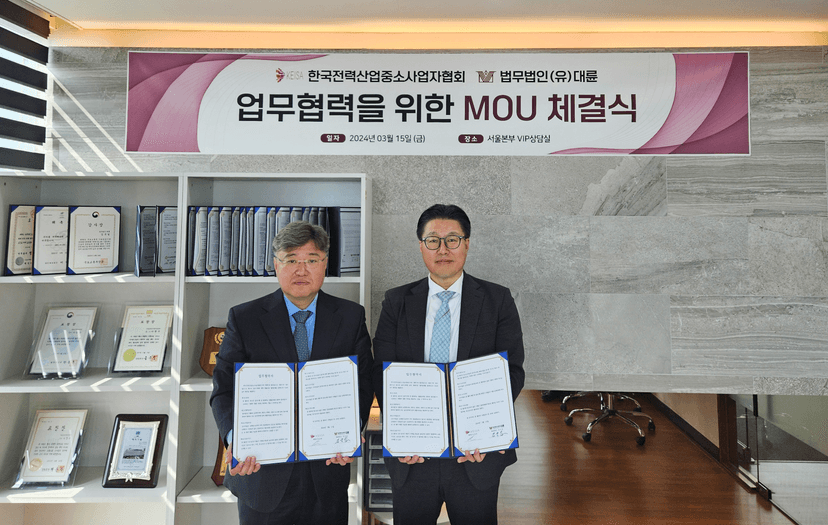
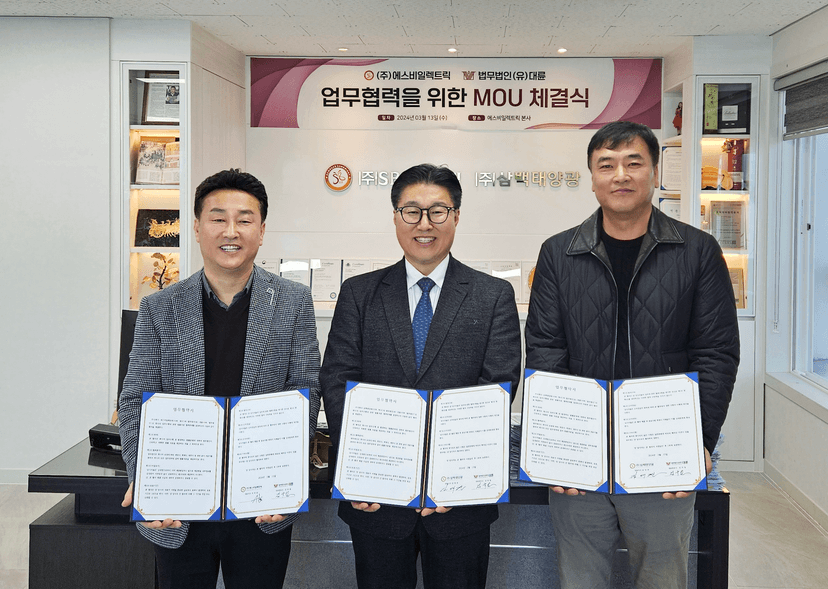
![[노동] 현대제철 순천공장 사내협력업체 근로자 41명에 '파견관계' 인정](/_next/image?url=https%3A%2F%2Fd1tgonli21s4df.cloudfront.net%2Fupload%2Fboard%2Fbroadcast%2F20240314070935513.webp&w=828&q=75)
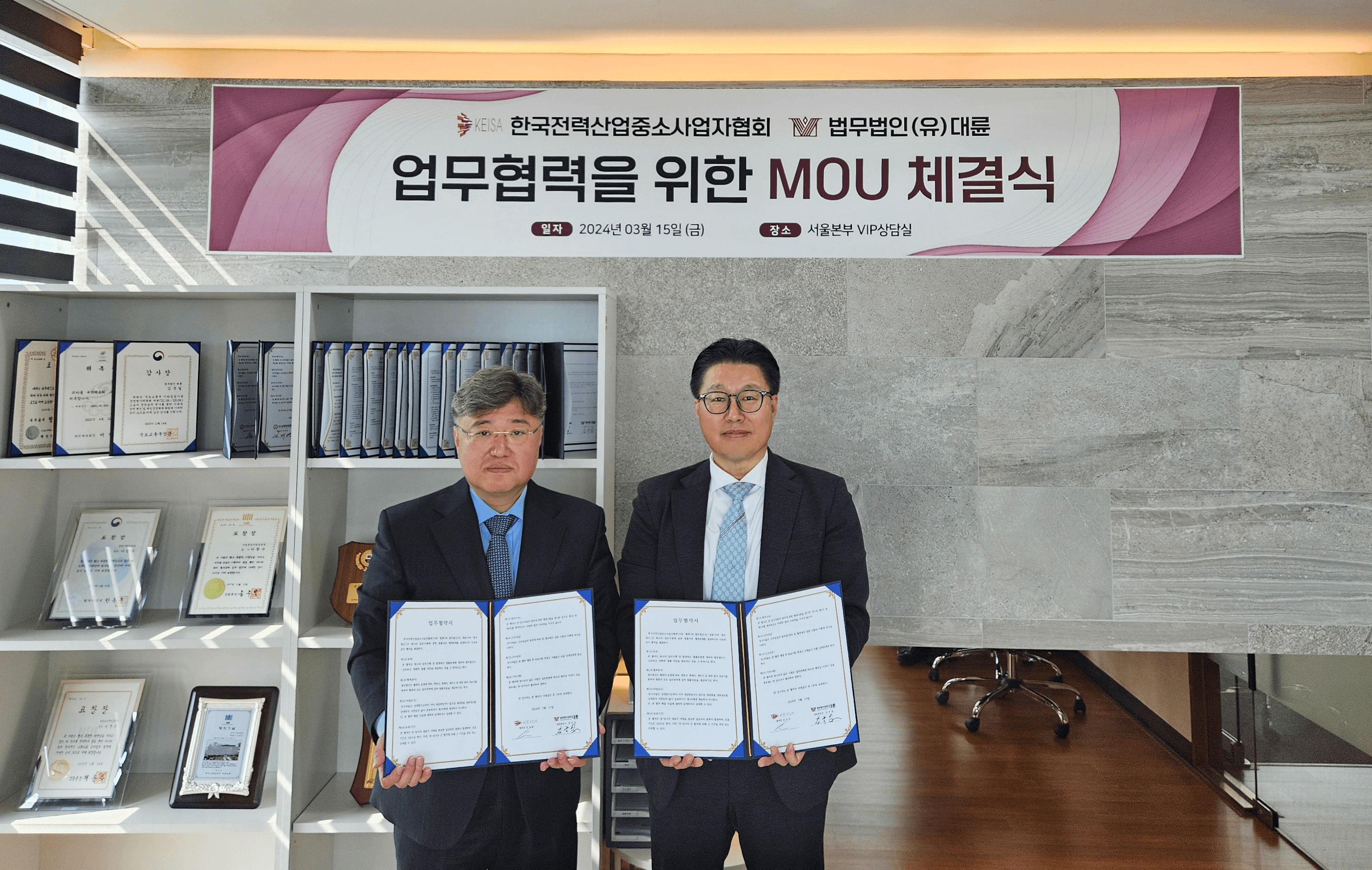
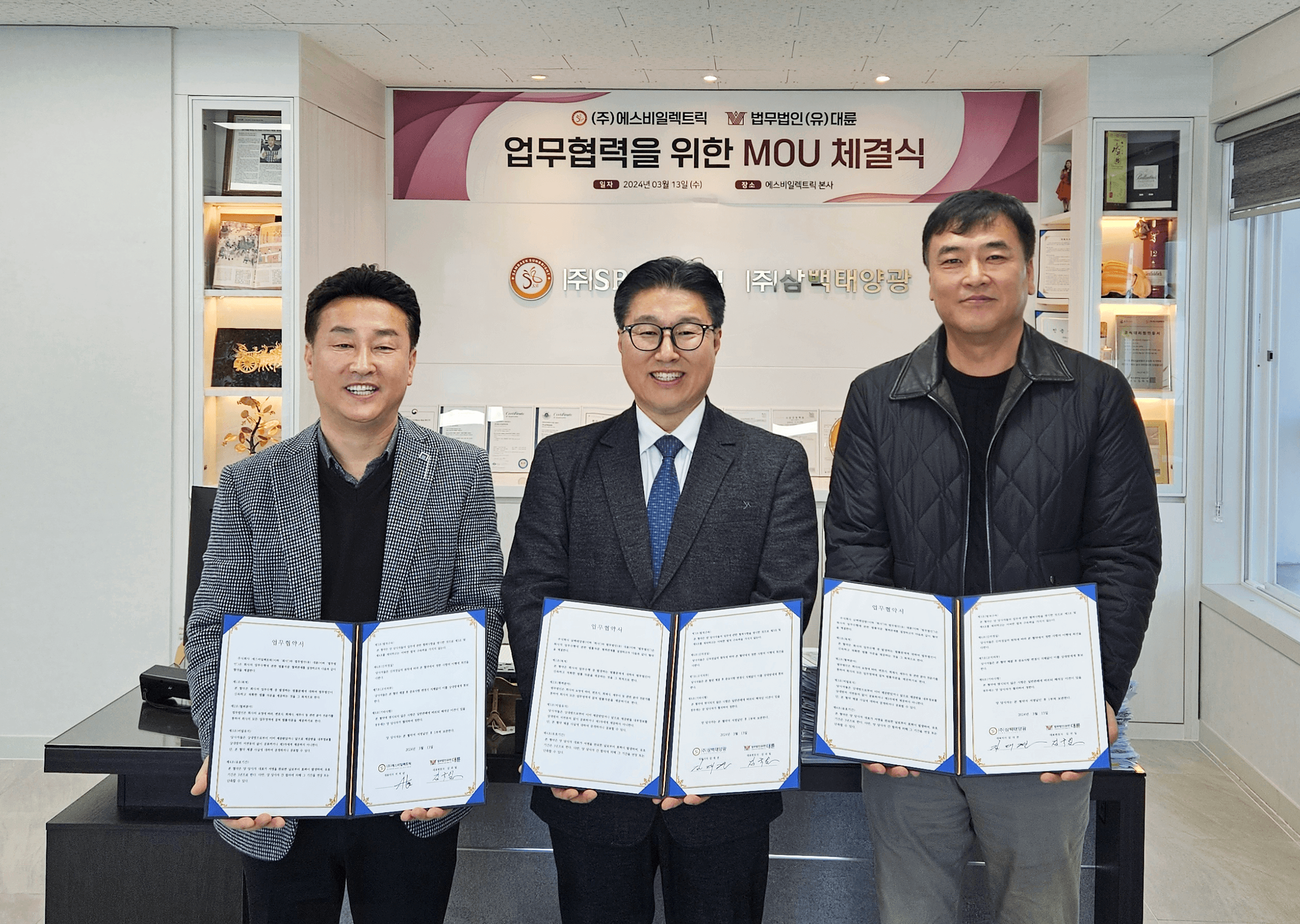
![[노동] 현대제철 순천공장 사내협력업체 근로자 41명에 '파견관계' 인정](/_next/image?url=https%3A%2F%2Fd1tgonli21s4df.cloudfront.net%2Fupload%2Fboard%2Fbroadcast%2F20240314070935513.webp&w=3840&q=75)


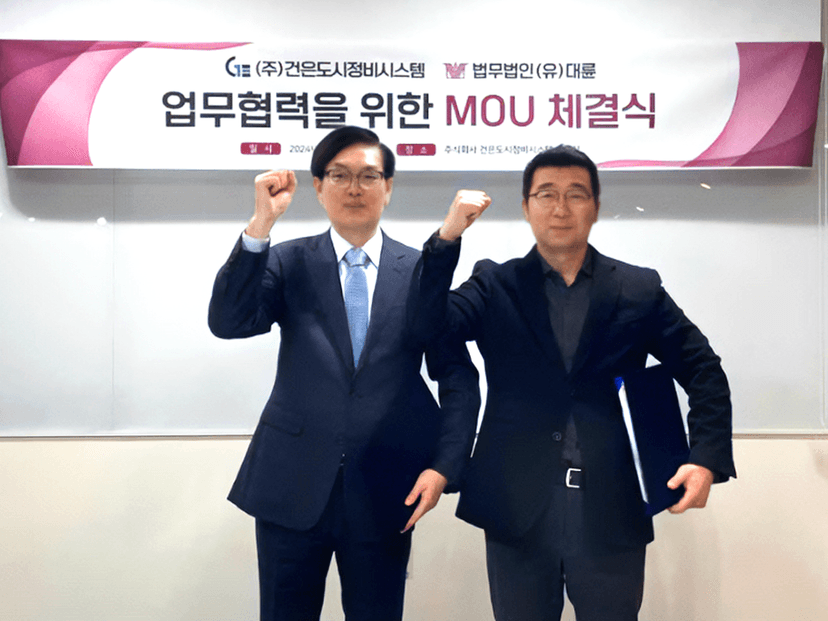


![의대 교수들, 정부 상대로 증원 취소소송 제기… 쟁점은? [‘의료대란’ 비상]](/_next/image?url=https%3A%2F%2Fd1tgonli21s4df.cloudfront.net%2Fupload%2Fboard%2Fbroadcast%2F20240307090105103.jpg&w=828&q=75)
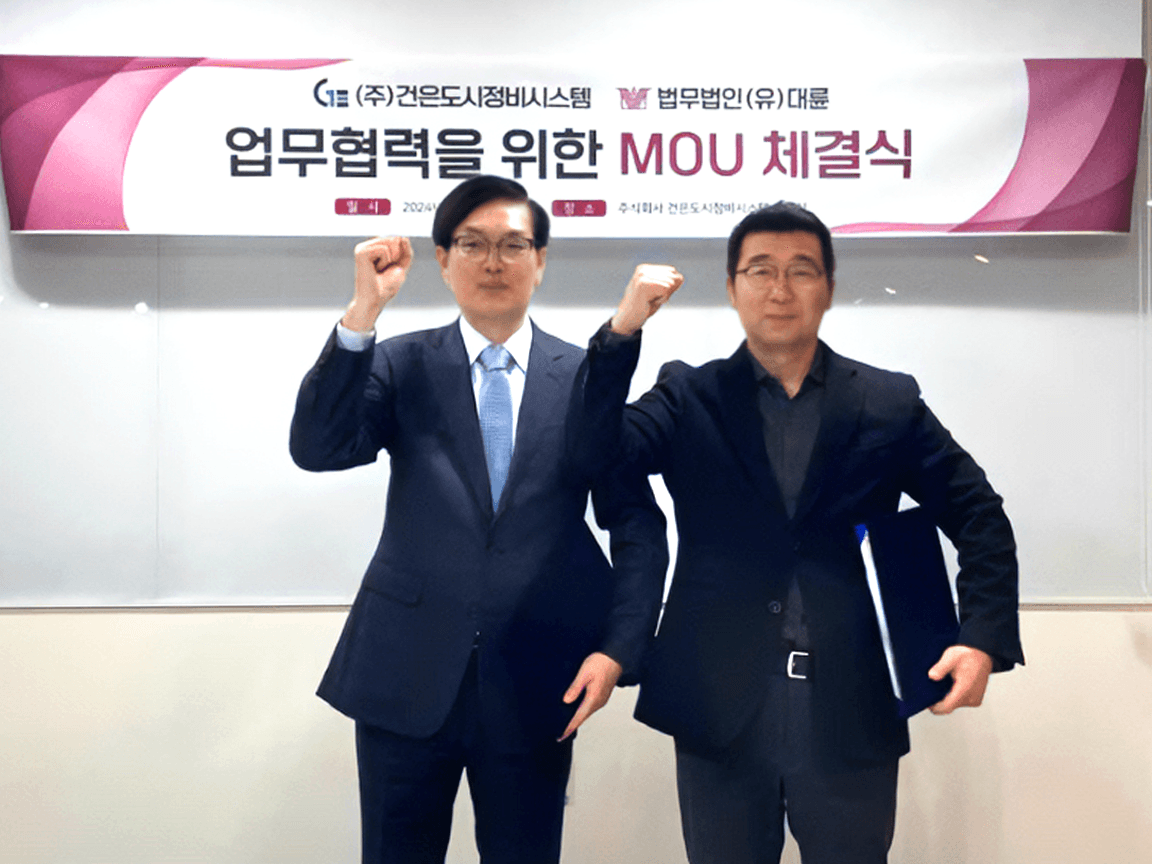
![의대 교수들, 정부 상대로 증원 취소소송 제기… 쟁점은? [‘의료대란’ 비상]](/_next/image?url=https%3A%2F%2Fd1tgonli21s4df.cloudfront.net%2Fupload%2Fboard%2Fbroadcast%2F20240307090105103.jpg&w=3840&q=75)